

How I Clean Fabric Upholstery Properly
When I clean fabric upholstery properly, I start by vacuuming thoroughly, check the fabric cleaning code, spot test a gentle solution, clean stains using as little moisture as possible, and let everything dry thoroughly. For deep dirt, lingering odours, or delicate fabrics, I rely on professional upholstery cleaning because it cleans deeper without damaging the fabric.
Table of Contents
Fabric upholstery holds more dirt than most people expect. I have seen sofas that look clean on the surface but are full of dust, oils, and allergens underneath. This guide explains exactly how I approach fabric upholstery cleaning at home, what I avoid, and when professional cleaning is the smarter option.
Why Fabric Upholstery Gets Dirty So Easily
From experience, fabric upholstery behaves like a sponge. Every time someone sits down, body oils, sweat, dust, and tiny food particles are pushed into the fibres. Pets add hair, dander, and odours. Airborne dust settles daily. Even with regular vacuuming, dirt slowly builds up below the surface. This is why upholstery can smell stale or trigger allergies even when it looks fine.
Understanding the Fabric Before I Clean It
I never clean upholstery before checking the fabric. In UK homes, I most often see cotton, linen, polyester blends, microfiber, velvet, chenille, and wool. Natural fabrics absorb moisture quickly and can shrink or stain if cleaned incorrectly. Synthetic fabrics are more forgiving but still trap oils and odours. Delicate fabrics like velvet and wool need careful moisture control.
Upholstery Cleaning Codes I Always Check
Most furniture has a care label with a cleaning code. I treat this as non-negotiable.
| Code | What It Means | What I Use |
| W | Water-based cleaning only | Mild detergent and water |
| S | Solvent-based cleaning only | Dry-cleaning solvent |
| WS | Water or solvent safe | Either method |
| X | Vacuum only | No liquids |
Ignoring these codes is the fastest way to cause watermarks, colour loss, or permanent damage.
How I Clean Fabric Upholstery at Home Step by Step
Step 1: I Vacuum Everything First
I use an upholstery attachment and vacuum cushions, seams, arms, and crevices. I remove cushions where possible. This step stops loose dirt from turning into muddy residue once moisture is added.
Step 2: I Always Spot Test
I test any cleaner on a hidden area and wait at least 15 minutes. If the fabric changes colour, stiffens, or feels rough, I stop and do not continue.
Step 3: I Keep the Cleaning Solution Mild
For water-safe fabrics, I mix a small amount of gentle detergent with lukewarm water. I avoid strong cleaners, bleach, and multi-purpose sprays because they weaken fibres and leave sticky residue.
Step 4: I Blot, Never Scrub
I dampen a clean white cloth, wring it out well, and blot stains gently. Scrubbing pushes dirt deeper into the fabric and damages its surface.
Step 5: I Remove Any Soap Left Behind
I lightly wipe the area with a clean, damp cloth. Residue attracts dirt and makes fabric feel stiff once dry.
Step 6: I Let It Dry Completely
I let the upholstery air dry fully with good ventilation. I never sit on it when it’s damp because trapped moisture can lead to odours and mould.
How I Deal With Common Upholstery Stains
Food and Drink
I blot immediately and clean gently once tested. Delays allow sugars and acids to bond to fibres.
Grease and Oil
I avoid water first and blot dry. If the fabric allows it, I use a solvent cleaner. Water alone usually spreads these stains.
Pet Hair and Smells
Regular vacuuming helps, but odours often sit deep in the fabric. Baking soda can temporarily reduce smells, but it does not deep-clean.
Ink, Makeup, and Dye
These stains spread fast. From experience, home treatment often makes them worse. This is where professional cleaning makes a real difference.
What I Never Do When Cleaning Upholstery
I never soak fabric upholstery. I never mix cleaning products. I never assume steam cleaning is safe without checking the fabric code. These mistakes cause shrinkage, water rings, and long-term damage.
How Often I Clean Fabric Upholstery
I vacuum weekly in busy homes. Light surface cleaning happens every few weeks. For proper hygiene and fabric care, professional deep cleaning every 6 to 12 months makes a noticeable difference, especially for pet owners or those with allergies.
Why I Recommend Professional Upholstery Cleaning
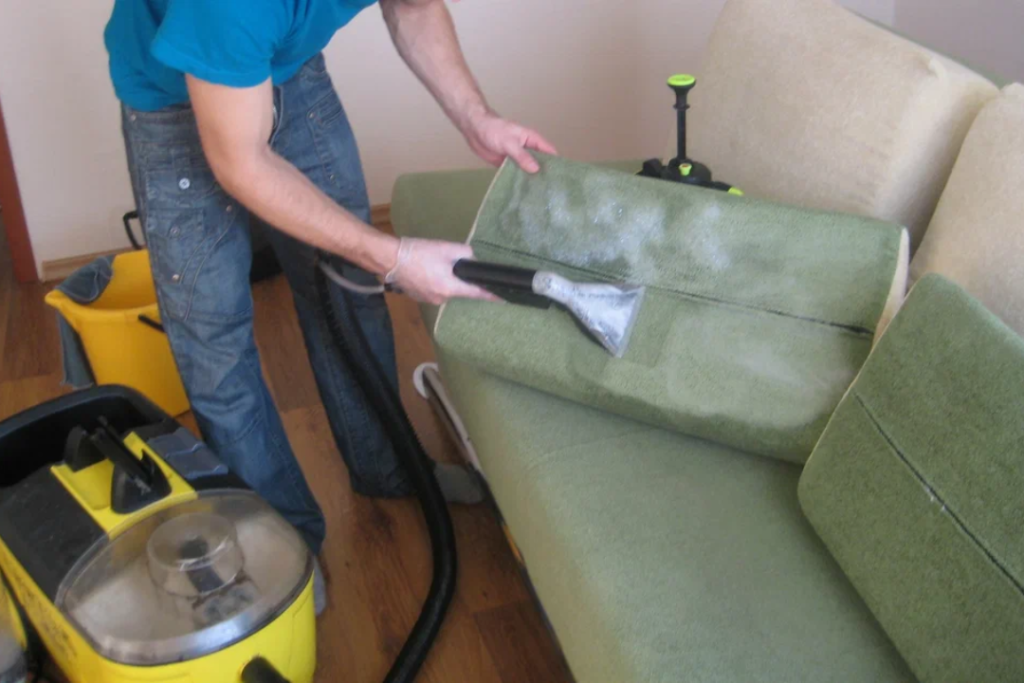
Home cleaning only reaches the surface. Professional upholstery cleaning removes dirt, bacteria, and allergens from deep inside the fabric using controlled moisture and extraction. This avoids oversaturation and leaves upholstery cleaner for longer.
Upholstery Cleaning Services from Buon Cleaning
When professional cleaning is needed, Buon Cleaning provides upholstery cleaning services across the UK. They clean sofas, armchairs, dining chairs, and fabric seating in homes and commercial spaces. Their methods are chosen based on fabric type to clean deeply without damaging fibres or leaving excess moisture.
Why Professional Cleaning Is Better Than Replacing Furniture
Replacing upholstered furniture is expensive and often unnecessary. Professional cleaning refreshes fabric, improves hygiene, and extends the life of furniture at a much lower cost.
Conclusion
Fabric upholstery should be cleaned by vacuuming thoroughly, checking the fabric cleaning code, spot testing a mild solution, blotting stains with minimal moisture, and allowing complete drying. Home cleaning maintains appearance, but professional upholstery cleaning removes deep dirt, allergens, and odours more effectively and helps extend the life of fabric furniture.
FAQs
How do I clean a fabric sofa without damaging it?
I start by checking the fabric label and vacuuming the sofa properly. If the fabric allows water, I use a mild detergent and a damp cloth, not a wet one, and gently blot the area. I never scrub or soak the fabric because that’s what causes marks and damage.
Can I clean fabric upholstery with just water?
Plain water can help with fresh spills, but on its own, it often leaves water marks and doesn’t remove oils. I only use water when the fabric code allows it, and I always blot carefully rather than rub.
Is baking soda actually safe for fabric upholstery?
Baking soda is fine for reducing light smells, but it does not clean deep into the fabric. I use it only as a short-term deodoriser and always vacuum it out thoroughly so it doesn’t sit in the fibres.
Why does my upholstery still smell after I clean it?
This usually means the dirt or moisture is trapped deeper in the fabric surface. Home cleaning often misses this layer, which is why smells come back once the furniture dries.
When should I stop cleaning and call a professional?
If a stain starts spreading, the colour begins to change, or the fabric feels rough or stiff, I stop straight away.D elicate fabrics, old stains, and strong odours are all signs that professional cleaning is the safer option.
How often do I really need professional upholstery cleaning?
For most homes, once every 6 to 12 months is enough. In homes with pets, children, or allergies, I’ve found more frequent cleaning makes a noticeable difference.

Leave a Reply