

How to Get Blood Out of Carpet: Fresh and Dried Stains
To get blood out of the carpet, blot the stain with a clean white cloth, apply a small amount of cold water and gently blot again until the blood stops transferring. If a mark remains, use a stain remover suitable for your carpet. Avoid hot water, scrubbing and soaking the fibres, as these can make the stain harder to remove or damage the carpet.
Fresh blood is usually easier to remove than dried blood, but even an older stain may respond to careful treatment. The best method depends on the carpet material, how long the blood has been there and whether you’ve already tried cleaning it.
Here’s how to deal with small, everyday blood stains without making the problem worse.
Table of Contents
What Should You Do Before Cleaning Blood from Carpet?
Before reaching for a cleaning product, check the size of the spill and the carpet’s care instructions. Using the wrong solution on wool or another delicate material could leave a permanent mark where the blood stain used to be.
Wear disposable gloves when handling blood, especially if it belongs to someone else. Keep children and pets away from the affected area, and wash your hands thoroughly after cleaning.
For large spills, blood from an unknown source or suspected infectious contamination, seek specialist advice. Removing a visible stain does not necessarily mean the carpet has been safely decontaminated.
For a small household stain, gather a few basic cleaning materials:
- Clean white cloths or plain white kitchen roll
- Cold water and a small bowl
- A carpet-compatible stain remover, if needed
- Clean, dry towels
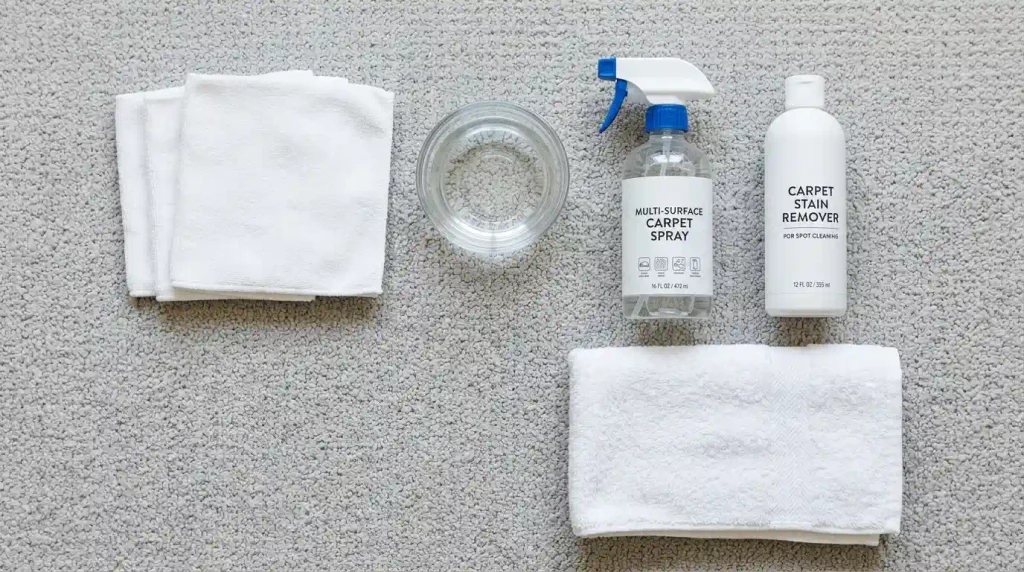
White cloths make it easier to see whether blood is transferring from the carpet, without risking colour transfer from the cloth itself.
If you’re using a cleaning solution for the first time, test it on a hidden section of the carpet and follow the manufacturer’s instructions. Even products labelled as carpet cleaners aren’t suitable for every fibre type.
How to Get Fresh Blood Out of Carpet
A fresh blood stain is best treated before it has time to dry. Begin with a dry cloth to absorb the excess blood, then use cold water to lift what remains.
The National Carpet Cleaners Association recommends cold water and gentle blotting rather than rubbing, which can push the stain further into the carpet.
Additionally, you can use lots of talcum powder, let it dry for 2-3 minutes and then rub it off using cold water. Doing this removes most of the stains (works even for fabrics).
Step 1: Blot up the excess blood
Place a clean, dry white cloth or kitchen roll over the stain and press gently. Lift it away, move to a clean section of the cloth and repeat.
Don’t wipe across the carpet. Rubbing spreads the blood and can work it deeper into the pile, making the remaining stain harder to reach.
Step 2: Apply a little cold water
Dampen a fresh cloth with cold water and press it gently onto the stained fibres. Alternatively, use a spray bottle to apply a light mist directly to the affected area.
You only need enough water to loosen the blood. Pouring water over the stain risks carrying it into the carpet backing or underlay.
Step 3: Blot from the outside towards the centre
Work inwards from the edges of the stain, pressing and lifting the cloth rather than rubbing.
Check the cloth after each attempt. If blood is still transferring, continue with a clean section of fabric. As the stain fades, use less water to avoid unnecessarily wetting the carpet.
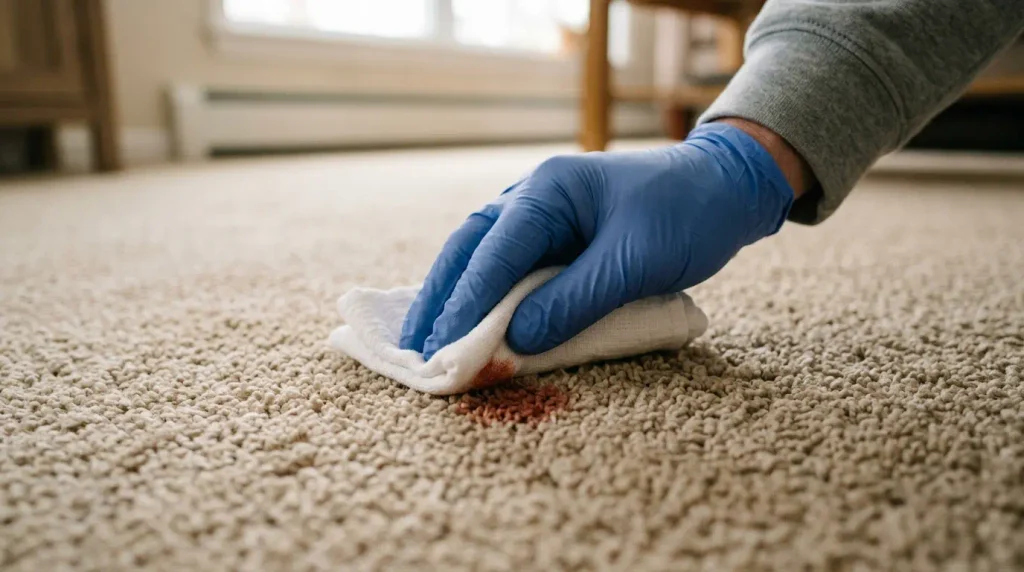
Step 4: Treat any remaining stain
If cold water has removed most of the blood but a visible mark remains, apply a carpet-compatible stain remover according to its instructions.
Use a small amount and allow the recommended contact time before blotting again. Avoid adding more product than directed, even if the stain is stubborn.
If the mark stops improving, don’t keep repeating the treatment indefinitely. The blood may have penetrated deeper than you can safely reach with a cloth.
Step 5: Remove residue and dry the carpet
After the stain has lifted, use a clean cloth lightly dampened with cold water to remove any remaining cleaning solution.
Press a dry towel over the area to absorb moisture, then allow the carpet to air-dry.
Check the spot once it’s completely dry. A darker patch immediately after cleaning may simply be damp carpet, so there’s no need to apply another product before checking the result.
How to Get Dried Blood Out of Carpet
Dried blood needs a slightly different approach. Once blood has hardened around the carpet fibres, trying to rub it away can damage the pile without removing the stain.
The aim is to soften the residue first, then lift it gradually.
Step 1: Soften the dried blood with cold water
Dampen a clean white cloth with cold water and hold it against the stained area for a few minutes.
This helps loosen the dried residue without soaking the carpet. If the stain is particularly hard, repeat with a freshly dampened cloth rather than pouring more water over it.
Avoid hot water. Heat can make blood proteins harder to remove from the fibres.
Step 2: Gently lift the loosened residue
Once the blood has softened, blot the area with a clean cloth.
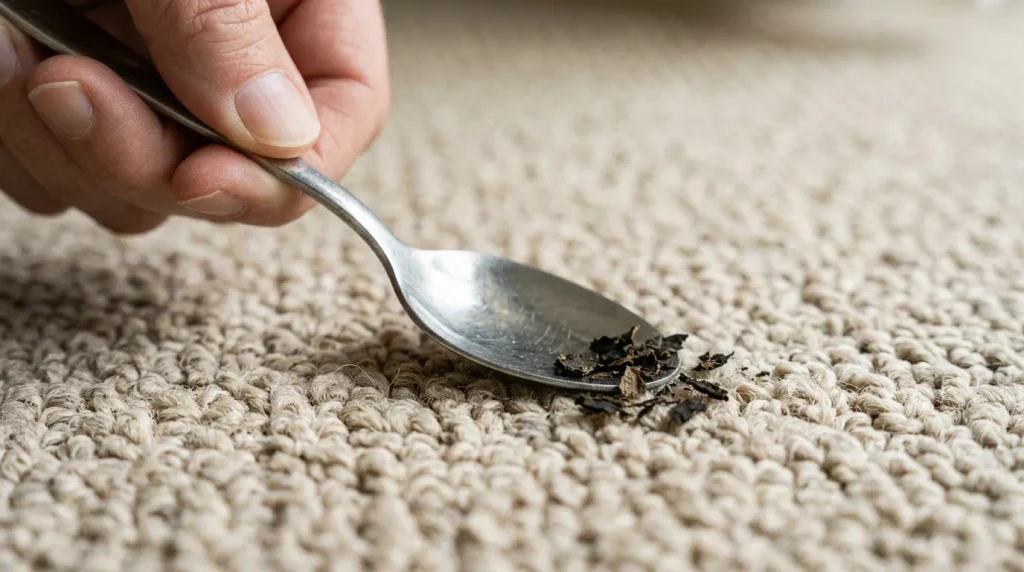
If there is a small amount of crusted blood sitting on the surface, carefully lift it with the rounded edge of a spoon. Don’t scrape against the pile or pull at individual fibres.
Work slowly, removing what has loosened before applying any cleaning product.
Step 3: Treat the remaining mark
Apply a stain remover suitable for the carpet material, following the manufacturer’s directions.
Blot the treated area with a clean white cloth. You may need to repeat the treatment if blood continues transferring, but stop if the stain is no longer improving.
A stain that has been there for several days or weeks may be harder to remove, especially if hot water or unsuitable cleaning chemicals have already been used.
Step 4: Remove the cleaning solution and dry
Blot away any remaining product with a lightly dampened cloth, then absorb the moisture with a dry towel.
Allow the area to dry completely before deciding whether further treatment is necessary.
If a noticeable stain remains, consider professional assessment rather than experimenting with several different household cleaners.
What Can You Use to Remove Blood Stains from Carpet?
Cold water is the safest starting point for most small, fresh blood stains on carpets that permit water-based cleaning.
If you need something stronger, check the carpet’s material and care instructions before selecting a product. A cleaner that works on a synthetic carpet may not be suitable for wool or delicate fibres.
Cold water and washing-up liquid
A very small amount of suitable washing-up liquid diluted in cool water may help remove blood that hasn’t responded to water alone.
The Carpet and Rug Institute suggests a solution of ¼ teaspoon of clear, non-bleach washing-up liquid mixed with approximately 240 ml of cool water for suitable carpets.
Apply the solution sparingly with a clean cloth, blot the stain and remove any detergent residue afterwards.
Use this method only if the carpet’s care instructions permit it. Avoid washing-up liquids containing bleaching agents, added dyes or moisturising ingredients that could leave unwanted residue.
Never use laundry detergent or automatic dishwasher detergent as a substitute.
Can enzyme-based cleaners remove blood?
Some enzyme-based stain removers contain ingredients that break down proteins, making them potentially useful for certain blood stains.
However, not every enzyme cleaner is suitable for carpet fibres. Products intended for clothing, hard floors or general household cleaning may contain ingredients that affect carpet dyes or finishes.
Choose a product specifically approved for your carpet type and follow its instructions. Wool and other protein-based fibres need particular care, as unsuitable enzyme formulations can damage the material itself.
Does hydrogen peroxide remove blood from carpet?
Hydrogen peroxide can help break down some blood staining, but it can also lighten carpet dyes or cause discolouration.
This makes it a risky choice for an unidentified carpet, particularly one with dark or patterned fibres.
Even white or cream carpets may contain dyes or finishes that react badly to oxidising products.
Unless the manufacturer explicitly permits the treatment and the product is suitable for that carpet, avoid applying hydrogen peroxide directly. A permanent pale patch can be more difficult to deal with than the original stain.
What about vinegar, salt and bicarbonate of soda?
These household products are frequently recommended for blood stains, but they aren’t reliable substitutes for a carpet-compatible cleaner.
Salt mixtures may leave residue in the pile, while bicarbonate of soda can be difficult to remove from dense carpets. Vinegar is acidic and may be unsuitable for certain fibres or dyes.
Combining vinegar and bicarbonate of soda creates a visible reaction, but the fizzing doesn’t guarantee effective stain removal.
For a stubborn blood stain, use a suitable carpet cleaning product rather than applying several household remedies one after another.
Never mix cleaning chemicals, particularly bleach with ammonia or acidic products.
How to Get Blood Out of Different Carpet Types
Knowing what your carpet is made from helps you choose a treatment that won’t create a second problem.
If you aren’t sure about the material, check the manufacturer’s information or ask a professional before using anything stronger than cold water.
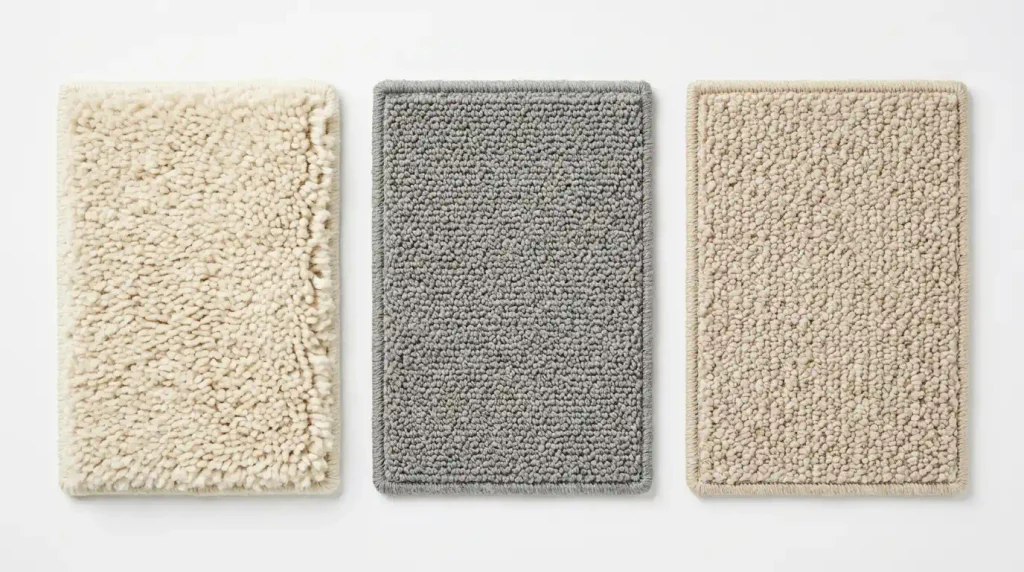
Wool carpets
Wool needs gentle treatment. Strong alkaline cleaners, unsuitable enzyme products, bleach and aggressive scrubbing can affect the fibres or colour.
Start with cold water and blot carefully. If a mark remains, use a wool-compatible stain remover in accordance with its instructions.
For an expensive wool carpet or one that has already been treated unsuccessfully, professional advice may be preferable to further DIY cleaning.
If the blood is on a removable wool rug rather than fitted carpet, a detailed guide to cleaning a wool rug can help you understand the additional care these materials require.
Synthetic carpets
Nylon, polyester and polypropylene carpets may tolerate different cleaning products, but their dyes, backing and construction still matter.
Blot the blood with cold water first, then use a stain remover approved for the specific material if necessary.
Don’t assume that all synthetic carpets are bleach-resistant. Even where the surface fibres tolerate certain chemicals, the backing or underlay may not.
White and cream carpets
Blood stains are especially noticeable on light-coloured carpets, which can make strong bleaching products tempting.
Resist the temptation to apply bleach or hydrogen peroxide without checking compatibility. Light-coloured carpets can still contain dyes, and chemical damage may leave an uneven pale patch.
Use controlled amounts of cold water and a suitable stain remover. If the remaining mark is clearly visible after gentle treatment, stop before trying a stronger chemical.
Why Is the Blood Stain Still Visible After Cleaning?
If you’ve followed the cleaning steps and the stain hasn’t disappeared, first check whether the carpet is completely dry.
A damp patch can look darker than the surrounding pile. If the mark is still visible after drying, the next step depends on what caused it.
The blood has reached deeper carpet fibres
Blood may penetrate the lower pile or backing, particularly after a larger spill or when too much water has been used during cleaning.
Blotting the surface may remove the visible residue without reaching all the material beneath it.
Repeatedly soaking the same spot can spread the problem further. If blood has reached the backing or underlay, ordinary surface cleaning may not be sufficient.
The carpet has become discoloured
A pale patch or noticeably changed texture may indicate damage from a cleaning product rather than remaining blood.
Applying more stain remover won’t reverse colour loss or damaged fibres.
If you notice fading, colour transfer or changes in the carpet’s texture, stop treatment and seek professional advice.
The stain has reappeared after drying
Sometimes a stain seems to have disappeared, only to return once the carpet is dry.
This can happen through wick-back, where moisture carries staining material from deeper in the carpet back towards the surface as it dries.
If the mark repeatedly returns, avoid soaking the area again. Moisture trapped in the lower layers may make the problem worse.
The guide on how to dry your carpet faster covers everything about the ways to manage moisture after cleaning.
When Should You Call a Professional Carpet Cleaner?
Professional carpet cleaning is worth considering when a blood stain remains after careful treatment, the carpet is delicate or previous cleaning attempts have caused discolouration.
A professional can assess the carpet material, the condition of the stain and the products already used before deciding which treatment may be suitable.
Older stains may still improve with specialist treatment, although complete removal cannot be guaranteed. Some marks are permanent, particularly when the carpet’s dyes or fibres have been damaged.
For a large blood spill, suspected infectious contamination or blood that has penetrated the underlay, seek a service equipped to assess and manage biological contamination. Ordinary carpet stain removal should not be treated as a substitute for appropriate decontamination.
Professional blood stain removal with Buon Cleaning
If a stubborn blood stain hasn’t responded to careful home treatment, Buon Cleaning can discuss your carpet’s condition and available cleaning options.
You can read more about professional carpet cleaning and stain removal or contact Buon Cleaning to enquire about your carpet.
When getting in touch, mention how long the stain has been there, the approximate size of the affected area, your carpet’s material if known, and any cleaning products you’ve already tried.
This information helps establish the next appropriate step without risking unnecessary further damage.
What to Do After Removing the Blood Stain
Once the visible stain has gone, check that you’ve removed any remaining cleaning solution. Detergent left in the pile can attract dirt, making the treated area look dirty again.
Use a lightly dampened cloth to remove residue, then press a dry towel over the spot to absorb excess moisture.
Ventilate the room and allow the carpet to dry completely before walking on it or replacing furniture.
When the area is dry, check it for remaining marks, colour changes or stiffness. If the carpet looks and feels normal, no further treatment is needed.
For a small, fresh blood stain, cold water and patient blotting may be all it takes. Dried or deeply embedded marks need more care, and knowing when to stop can prevent a manageable stain from becoming permanent carpet damage.
FAQs
Does cold water get blood out of carpet?
Yes, cold water can help remove fresh blood before it dries. Blot the stain with a clean white cloth, apply a small amount of cold water and continue blotting while blood transfers onto the cloth. If a mark remains, use a carpet-compatible stain remover.
Can you remove dried blood from the carpet completely?
Dried blood can sometimes be removed completely, but the result depends on the carpet material, how long the stain has been present and any previous cleaning attempts. Soften the dried residue with cold water before applying a suitable stain remover. Deeply embedded or chemically damaged stains may not disappear entirely.
Can washing-up liquid remove blood stains from carpet?
A small amount of suitable washing-up liquid diluted in cool water may help remove blood from some carpets. Avoid products containing bleach or added dyes, and check the carpet’s care instructions first. Remove detergent residue after treatment to prevent the area from attracting dirt.
Can hydrogen peroxide damage carpet?
Yes. Hydrogen peroxide can lighten carpet dyes and cause discolouration, particularly on dark, patterned or delicate carpets. Only use a peroxide-based stain remover if the product and carpet manufacturer permit it. Do not assume that white carpets are safe to treat with hydrogen peroxide.
Can you use a carpet cleaning machine to remove blood?
A carpet cleaning machine may help with residual staining when the carpet and cleaning product are suitable. However, begin by treating a fresh blood stain with cold water rather than immediately applying hot water. If blood has penetrated the backing or underlay, ordinary carpet cleaning may not be sufficient.

Leave a Reply