
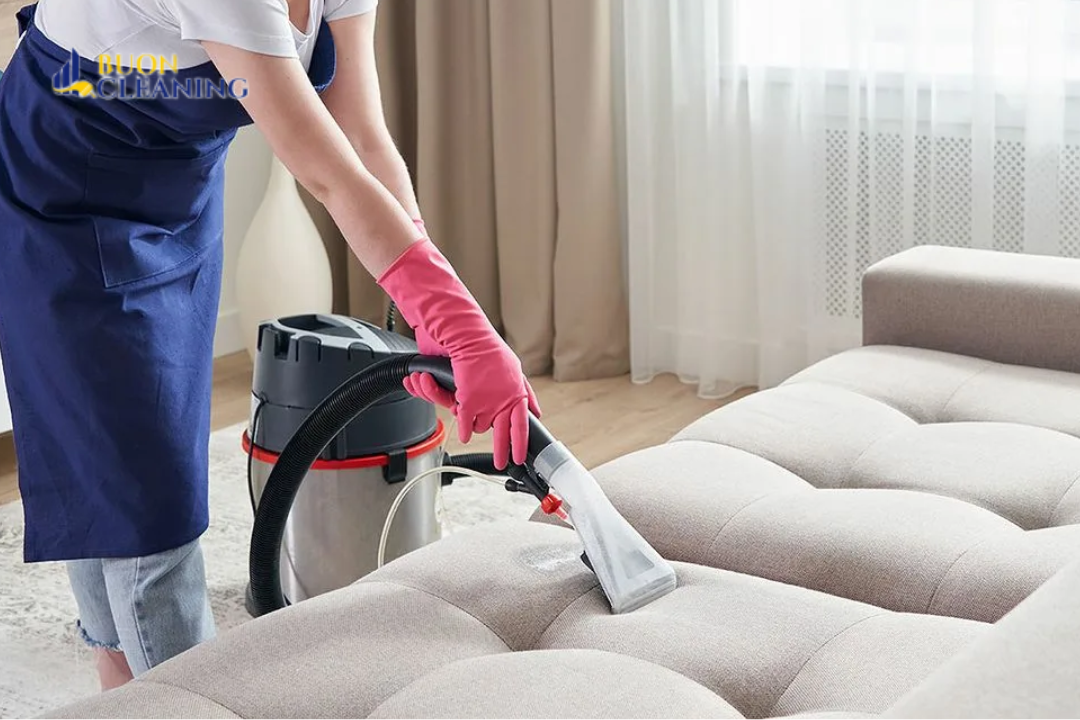
Get Professional Advice on How to Clean Mattress Effectively
Are you sure your nightly rest is as healthy as it feels? That single question matters when you consider that an average adult sheds hundreds of grams of skin each year and a typical bed can harbour around 10,000 dust mites.
Regular maintenance extends life and improves hygiene. You’ll learn clear steps for simple cleaning, how to refresh fabrics without soaking them and which routine will best support your sleep at home.

We also explain what to check on care labels and how to avoid voiding warranties. You’ll get safe techniques for different materials and advice on treating spills or odours without harsh chemicals.
If you’d prefer expert, tailored guidance in the UK, call 0788 866 8478 or email admin@buoncleaning.co.uk Make sure you follow model guidance before you start and consider a practical clean at least every six months.
Before you begin: prepare, protect, and read the label
Before you begin any maintenance, take a moment to prepare the area and check manufacturer instructions. This short pause prevents mistakes that could affect warranties or damage fillings.
Check the care label and warranty first. Locate tags so you know whether your mattress is single‑ or double‑sided and if rotation or flipping is advised. Make sure you follow any manufacturer limits, especially for memory foam or models with built‑in toppers.

Gather your kit
Assemble a vacuum cleaner with a clean upholstery attachment, baking soda, microfibre cloths and a mild detergent. Ensure the attachment is free of dust so you do not reintroduce dirt.
If you have allergies, vacuum under the bed and around the frame to reduce dust and dust mites before you start. Remove pillows and sheets, sort laundry by care label, and fit a washable protector under your sheet to reduce how often deep cleaning is required.
| Label note | Rotation/flip | Moisture tolerance |
|---|---|---|
| Single‑sided | Rotate only | Low — avoid soaking |
| Double‑sided | Flip and rotate | Medium — spot clean |
| Removable cover | Follow wash label | High — cover washable |
Have questions before you start? Call 0788 866 8478 or email admin@buoncleaning.co for UK‑specific advice.
How to Clean Mattress Effectively: a practical step-by-step process
A straightforward six-step process keeps your sleep surface fresh and long‑lasting. This short routine is designed for safety and results. Follow each step in order for best effect.
Strip the bed and wash bedding on a hot cycle
Start by removing sheets and pillowcases. Wash them on a hot cycle suitable for the fabric to remove sweat and allergens.
Air the mattress by opening windows for fresh airflow
Open a window and let the mattress breathe for a few hours if weather allows. Fresh air helps reduce odours and moisture.
Vacuum the surface slowly using the upholstery attachment
Use a vacuum cleaner with a clean upholstery attachment. Work slowly in overlapping passes across the surface and focus on seams and quilting.
Rotate or flip where the manufacturer advises
Rotate one‑sided mattresses and flip two‑sided models when the label permits. This evens wear and helps mattresses settle more uniformly.
Light refresh: sprinkle baking soda, leave for at least 30 minutes, then vacuum
Sprinkle an even layer of baking soda and leave for 30 minutes. Vacuum thoroughly afterwards to lift powder and deodorise the surface.
Let the mattress dry fully before replacing clean sheets
If you used any water for spot work, allow hours for drying. Always let mattress dry fully before remaking with clean sheets and a protector.

| Step | Action | Timing |
|---|---|---|
| 1 | Strip and wash sheets | 30–60 minutes |
| 2 | Air and ventilate mattress | 1–3 hours |
| 3 | Vacuum and sprinkle soda | 30 minutes + vacuum |
Prefer us to talk you through the process? Call 0788 866 8478 or email admin@buoncleaning.co for tailored UK advice.
Targeted stain removal: blood, urine, sweat, food and drink
Stains on your bed need prompt attention to stand the best chance of removal. Tackle fresh marks quickly and use gentle actions to protect fillings. Below are clear, safe steps for common incidents.

Blood
For fresh blood, dab with a little cold water using a clean cloth. Do not rub or soak; hot water will set protein based marks.
If the mark remains, mix baking soda with cold water to form a paste. Apply, leave about 30 minutes, then dab away residue with clean water and allow to dry.
Urine and bodily fluids
For urine, make a small diluted washing-up liquid solution and blot slowly from the outside in. Avoid soaking the area and let it air fully.
For sweat and other bodily fluids, use a mild detergent solution and spot clean conservatively. Allow hours to dry before replacing bedding.
Tea, coffee and cleaners
Tea or coffee spills respond well to a baking soda and cold water mix; dab lightly and repeat if needed. Do not use carpet cleaners on mattresses.
If the care label allows, a diluted upholstery cleaner may help. Patch-test in an unseen area first and make sure you follow the maker’s guidance.
| Stain type | Recommended solution | Key tip |
|---|---|---|
| Blood | Cold water dab; baking soda paste if needed | Do not rub; let dry fully |
| Urine | Diluted washing-up liquid, gentle blotting | Avoid soaking; air thoroughly |
| Sweat/fluids | Mild detergent solution, spot clean | Allow several hours to dry |
| Tea/Coffee | Baking soda and cold water, light dabbing | Keep moisture minimal |
Need personalised advice for tough marks? Call 0788 866 8478 or email admin@buoncleaning.co for tailored UK guidance.
Eliminating smells and keeping odours at bay
A little ventilation and a short treatment can make a big difference to bedroom smells.
New mattress off‑gassing: If your new mattress has a chemical scent, unwrap it straight away and position it by an open window. Fresh air disperses off‑gassing safely and cuts down the initial smell within minutes and hours.

Deep deodorise: overnight baking soda treatment and thorough vacuum
For embedded odours, sprinkle a light, even layer of baking soda across the surface and leave ideally overnight. This lets soda absorb smells without using water that can trap moisture or cause a musty scent.
After baking time, vacuum thoroughly and air again by a window. Target local areas if the smell is limited, but treat the whole mattress if odours are widespread.
| Action | Timing | Why it helps |
|---|---|---|
| Unwrap and air | Minutes → hours | Reduces off‑gassing and dust release |
| Baking soda treatment | Overnight | Absorbs odours without wetting fillings |
| Vacuum and ventilate | Minutes | Lifts soda and suspended particles |
Persistent smells? For stubborn odours, call 0788 866 8478 or email admin@buoncleaning.co for tailored UK advice.
Cleaning and caring for memory foam mattresses
Memory foam needs a gentler approach than sprung designs; small errors can affect comfort and warranty.

Always check the manufacturer instructions and warranty before you start. Some memory foam mattresses have removable, machine‑washable covers; others do not. Make sure you follow label guidance to avoid shrinkage or invalidating guarantees.
If a cover is machine washable, use the stated programme and temperature. Drying at the wrong heat can make refitting difficult. Handle zips and seams carefully to protect stitching and your warranty.
Avoid soaking the foam core. Do not pour water directly on the foam; if spot cleaning is necessary, apply minimal moisture and blot gently. Allow generous drying time in a well‑ventilated room.
| Action | Why it matters | Quick tip |
|---|---|---|
| Check label | Protects warranty | Follow brand directions |
| Machine wash cover | Prevents shrinkage | Use correct programme |
| Light vacuuming | Removes lint and dust | Keep nozzle slightly lifted |
If you are unsure about your foam model, call 0788 866 8478 or email admin@buoncleaning.co for UK guidance on cleaning mattress care.
Long-term hygiene: reduce dust, mites, and bacteria for better sleep
Small, steady habits make a big difference to mattress hygiene over time. A few minutes each day and a planned routine will cut down dust and limit allergens that build up from skin and nightly perspiration.
Adopt a schedule
Set a practical cadence: perform a light monthly refresh with vacuuming and an occasional baking soda treatment. Aim for a deeper clean every six months, or sooner if allergies worsen.
Daily airing and protector use
Air your bed each day by folding back sheets and pillows for about 20 minutes. Use a quality protector to limit contact with sweat and skin and make washing easier. Wash sheets weekly or fortnightly at a suitable hot setting.
Humidity, food and rotation
Keep relative humidity in your home between 30–50% and below 60% to reduce dust mite activity. Avoid eating in bed; crumbs attract pests and create stains that need more time and effort to treat.
Rotate as the label advises—weekly during the first three months, then every three to four months—to help fillings settle evenly across mattresses.
| Action | Frequency | Benefit |
|---|---|---|
| Quick vacuum + spot check | Monthly | Removes surface dust and small stains |
| Baking soda refresh | Monthly or as needed | Neutralises odours without wetting fillings |
| Full deep clean | Every 6 months | Reduces dust mites and bacteria build-up |
| Daily air + protector | Daily / ongoing | Limits moisture and skin debris |
Note: The Sleep Council reports about 285 ml of fluid lost each night and 454 g of dead skin shed each year; this adds to dust and allergens. If symptoms like sneezing or itchy eyes increase, bring forward your clean. For a custom upkeep plan, contac us.
Need help or tailored advice in the UK?
Some problems need more than household steps — that’s when a trained cleaner can help. If odours return after an overnight baking soda treatment and a thorough vacuum, professional work may restore freshness faster.
When DIY isn’t enough: signs you may need a professional clean
Seek expert support if large stains span several areas or if a spill soaked deep into the fillings. Poor ventilation or high humidity at your home can risk mould; professionals control drying safely.
Also call a specialist when warranty rules limit DIY methods. They follow compliant techniques and can help you make sure warranty remains valid.
Contact us for guidance: 0788 866 8478 or admin@buoncleaning.co
Speak to a friendly expert today. We advise on the best process and offer solutions that keep mattress hygiene high and help you keep mattress condition in top order.
| Issue | Why a pro helps | Likely action |
|---|---|---|
| Deep odours | Absorbed smells return after home treatments | Specialist deodorising and extraction |
| Widespread stains | Large areas risk over‑wetting | Industrial equipment and targeted drying |
| Poor drying/ventilation | Risk of mould and lasting damage | Controlled drying and humidity management |
Conclusion
A clear plan helps you protect foam cores and avoid costly damage from excess moisture.
Follow a simple routine: check labels, vacuum with an upholstery attachment, rotate or flip as advised, air the bed and use baking soda for odour control. Act quickly on stains with gentle dabbing and cold water where suitable.
Use a protector, wash sheets regularly and keep home humidity around 30–50% to reduce dust, mites and bacteria. For memory foam or foam mattress models, avoid soaking and allow plenty of drying time to safeguard comfort and warranty.
If you need bespoke advice or a professional clean, call 0788 866 8478 or email admin@buoncleaning.co.uk kWe’ll help you fit mattress care into your routine.

Leave a Reply